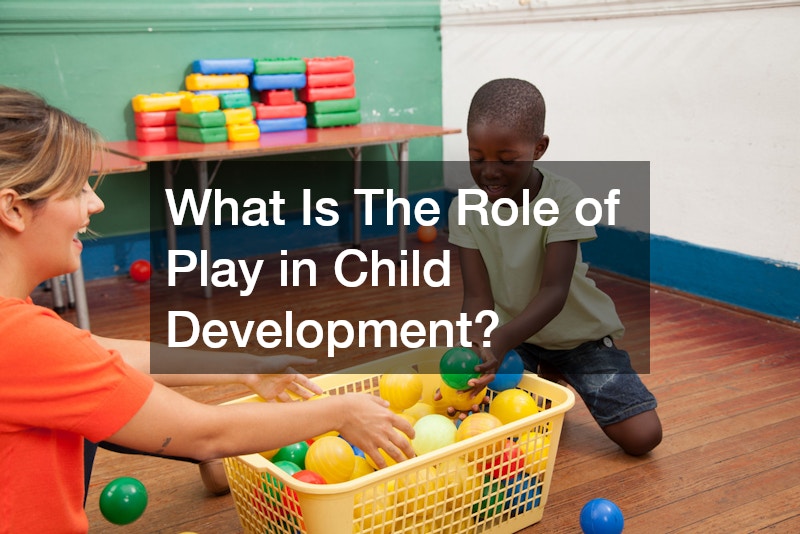
Play is an integral component in the fabric of childhood, offering numerous benefits that contribute extensively to child development. From enhancing physical skills to stoking the fires of creativity, play lays a crucial foundation for cognitive, social, and emotional growth. As children engage in play, they learn to interact with their environment, experiment with different roles, and develop essential life skills that set the groundwork for their future. This article delves into the importance of play, its impact on academic success, the types of play that are most beneficial, variations across different demographics, and the supportive role of parents and educators.
1. Why is Play Important in Early Childhood?
Play is fundamental in early childhood as it fosters brain development and strengthens neurological pathways that enhance a child’s ability to learn. During play, children engage in activities that involve problem-solving, decision-making, and social interactions, which are critical for nurturing cognitive abilities and emotional resilience. The spontaneous and often imaginative nature of play allows children to explore concepts and ideas, helping them develop a deeper understanding of the world around them.
Physical play, such as running, jumping, and climbing, is essential for developing motor skills and promoting physical health. These activities not only strengthen muscles and bones but also enhance coordination and balance, contributing to overall physical development. Furthermore, play that involves physical activity can correlate with reduced risks of childhood obesity, supporting children’s health in both the short and long term.
Beyond physical and cognitive benefits, play serves as a platform for emotional expression and understanding. Through imaginative and role-playing activities, children can explore emotions, experiment with different scenarios, and learn to navigate complex social structures. This form of play encourages empathy, fosters communication skills, and enables children to express feelings in a safe, non-threatening environment. Every aspect of the child’s development is somehow linked with their engagement in playful activities.
2. How Does Play Influence Academic Success?
The impact of play on academic success is significant, as it nurtures a host of skills that are pivotal for learning. Play stimulates curiosity and the desire to explore, which are key traits that drive academic engagement and motivation. By engaging in play, children develop critical thinking and analytical skills, enhancing their ability to tackle academic challenges in a creative and effective manner.
Studies have shown that children who have ample time for unstructured play tend to perform better academically than those who do not. This is largely due to the fact that play encourages the development of executive functions, cognitive skills vital for problem-solving, time management, and attention retention. For instance, a child engaged in a game of blocks is building not just structures but also the foundational skills that support mathematics, spatial awareness, and logical reasoning.
Moreover, social play, which often involves group interactions and team-based activities, can bolster language skills and enhance social comprehension. As children negotiate rules, take turns, and collaborate to achieve a shared goal, they are acquiring essential communication and social skills that are directly applicable in classroom settings. The skill set acquired through varied play experiences translates to a better understanding of academic material and greater adaptability in diverse educational environments.
3. What Types of Play Are Most Beneficial?
Various types of play offer different benefits, and understanding these can help parents and educators provide opportunities for a well-rounded development. Free play, characterized by child-led activities without adult intervention, is crucial for fostering independence and creativity. It allows children to pursue their interests, experiment, and learn from trial and error in a safe and supportive environment.
Structured play, often guided by an adult, provides a framework that reinforces learning through organized activities and games. These activities can be designed to target specific skills such as numeracy, literacy, or problem-solving. Structured play can complement free play by offering children a chance to refine their skills in a more focused setting while still engaging in enjoyable and interactive tasks.
Social and dramatic play, involving role-playing and interaction with peers, supports emotional understanding and social competence. Through this type of play, children learn to empathize, share, cooperate, and resolve conflicts. It helps build confidence and adaptability as they navigate various social scenarios, preparing them for the complexities of real-world interactions and relationships.
4. Are There Differences in Play Across Ages and Genders?
Play evolves with age, reflecting the developmental stages and interests of children as they grow. In early childhood, play is typically more exploratory and sensory-based, with a focus on physical activity and simple games that enhance motor skills. As children enter middle childhood, more complex play involving rules and strategies begins to emerge, supporting cognitive development and fostering competitive spirit.
Gender differences in play are often observed through the types of activities that boys and girls gravitate towards, influenced by both societal norms and natural inclinations. While boys may engage more frequently in physical or competitive play, girls often prefer social or cooperative games that involve communication and role-playing. However, it is essential to encourage cross-gender play to allow children to benefit from the diversity of skills fostered by different types of activities.
The role of cultural norms and parental influence cannot be underestimated in shaping children’s play preferences and behaviors. While some children may naturally skew towards gender-typical play, providing opportunities for diverse play experiences can challenge stereotypes and promote an inclusive environment. In doing so, children develop a broader skill set and an appreciation for variety, enhancing their adaptability and social understanding.
5. How Can Parents and Educators Encourage Meaningful Play?
Parents and educators play crucial roles in facilitating environments that foster meaningful play. Offering a variety of materials and settings that stimulate creativity and exploration, such as art supplies, building blocks, and outdoor spaces, encourages diverse play experiences. Play should be inclusive and adaptable, allowing children of all abilities and backgrounds to engage and learn.
Creating a balance between structured and unstructured play ensures that children develop both specific skills and broader creative abilities. Adults can guide play without dominating it, allowing children to direct their interactions and make their own discoveries. Encouraging play that incorporates problem-solving and critical thinking elements can further enrich the learning experience.
Furthermore, understanding the value of play in building lifelong skills can help adults appreciate and prioritize it in daily routines. By being active participants in children’s play, sharing in their discoveries and successes, adults reinforce the importance of play and the lessons it instills. Ultimately, a supportive and encouraging environment allows play to fulfill its pivotal role in child development, nurturing well-rounded, confident, and resilient individuals.
In conclusion, play is a vital aspect of child development with broad implications for physical, cognitive, social, and emotional growth. Its impact on academic success, social skills, and personal well-being makes it an essential component of the educational journey. By understanding the diverse benefits and forms of play, and providing supportive environments, parents and educators can play an integral role in fostering children’s development through meaningful play experiences.