The first five years of life are a period of remarkable growth. During this time, children develop the language, social, and thinking skills that serve as building blocks for everything they learn later. Choosing where a child spends these early years is one of the first major education decisions parents make, and it can have a lasting impact. A private preschool offers young learners a nurturing, structured environment designed to spark curiosity and build confidence from the very beginning. Families often find that the benefits extend well beyond kindergarten readiness, shaping how children approach learning, relationships, and challenges for years to come.
Understanding what these programs offer can help parents make an informed choice that sets their child on a positive path.
Why Do the Early Years Matter So Much?
Young children learn at an astonishing pace. Every conversation, song, puzzle, and playtime interaction helps strengthen the connections that support language, reasoning, and emotional regulation. Because so much development happens before a child ever sets foot in a kindergarten classroom, the quality of their early experiences truly matters. Children who spend these years in stimulating, supportive settings tend to enter elementary school more prepared to listen, follow directions, and engage with new ideas. They are also more likely to view school as a welcoming place rather than an intimidating one. This early positive association with learning can influence a child’s attitude toward education for many years. In short, the foundation built during preschool supports nearly everything that comes after it.
Small Groups and Individual Attention
One of the biggest advantages of a high-quality early learning program is the level of personal attention each child receives. With smaller class sizes and lower teacher-to-child ratios, educators can get to know every student’s personality, interests, and learning style. A child who is fascinated by bugs can be encouraged to explore nature books, while a child who is still building fine motor skills can get extra practice with crayons and scissors. Teachers can also spot areas where a child may need additional support, such as speech development or social skills, and address them early. This individualized approach helps each child progress at a comfortable pace while still being gently challenged. When children feel seen and understood, they gain the confidence to try new things.
Learning Through Play and Exploration
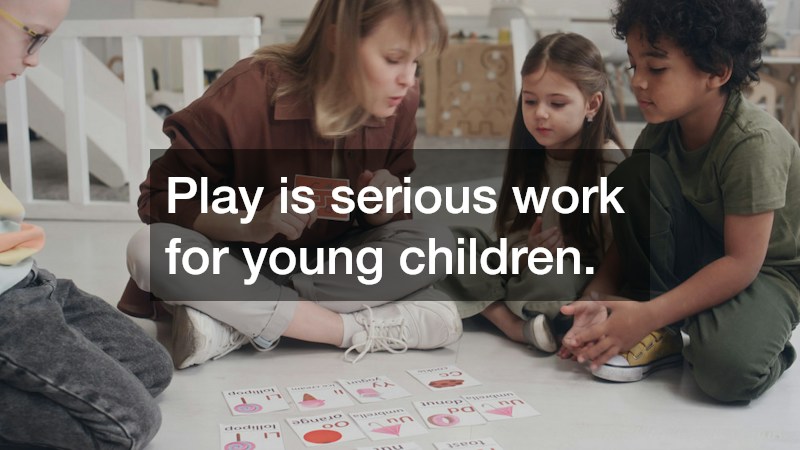
Play is serious work for young children. Many private preschool programs use carefully designed play-based and hands-on activities to teach early literacy, math, science, and problem-solving skills. Building with blocks introduces concepts like balance, shape, and measurement. Pretend play in a classroom kitchen or grocery store encourages vocabulary, storytelling, and cooperation. Sensory tables, art projects, and outdoor exploration invite children to ask questions and discover answers for themselves. Rather than memorizing facts, students learn to think creatively and experiment without fear of getting things wrong. This sense of curiosity is one of the most valuable traits a child can develop. It fuels a lifelong love of learning that carries into elementary school, high school, and beyond.
Building Social and Emotional Skills
Knowing letters and numbers is helpful, but social and emotional skills are just as important for long-term success. In preschool, children learn how to share, take turns, express their feelings with words, and work through disagreements with classmates. Teachers guide these moments patiently, helping children understand how their actions affect others. Over time, students become better at managing frustration, waiting their turn, and showing kindness. These skills make the transition to kindergarten much smoother, since children are better prepared to function as part of a classroom community. Later in life, the same abilities support healthy friendships, teamwork, and effective communication. A child who learns empathy and self-control early has a meaningful advantage in nearly every setting they will encounter.
Establishing Routines and Independence
Preschool classrooms run on predictable routines, from morning circle time to snack, clean-up, and story time. These consistent structures help young children feel secure while teaching them how to follow a schedule and transition between activities. At the same time, teachers encourage independence in age-appropriate ways. Children learn to hang up their coats, wash their hands, pack their bags, and clean up their materials without being told every step. These small responsibilities build a sense of capability and pride. When children arrive at kindergarten already comfortable with classroom routines and basic self-care, they can focus their energy on learning. The independence they develop early also lays the groundwork for the organizational skills they will need in later grades.
A Strong Partnership With Families
Quality early education works best when parents and teachers work together. Many private programs place a strong emphasis on family communication, sharing regular updates, photos, and observations about each child’s progress. Parent-teacher conferences give families a clear picture of their child’s strengths and areas for growth, along with ideas for supporting learning at home. This partnership helps create consistency between the classroom and home, which reinforces the skills children are developing. It also gives parents greater confidence and peace of mind, knowing their child is in caring hands. Over time, families who stay engaged in their child’s education from the start often remain active partners throughout the school years, which further supports their child’s success.
Giving Your Child a Strong Start
The early years pass quickly, but the skills children build during this time can shape their future in powerful ways. With individual attention, play-based learning, social and emotional growth, and a focus on independence, a private preschool gives children a confident, well-rounded start to their education journey. For families exploring their options, visiting classrooms, meeting teachers, and asking about daily routines and learning philosophies can help reveal which program is the best fit. The right preschool does more than prepare a child for kindergarten. It helps nurture a curious, capable, and confident learner ready to thrive in the years ahead.