
Every home, no matter how modern or well-built, eventually demands care, upkeep, and unexpected repairs. For many homeowners, the automatic response to a squeaking hinge, a strange sound in the attic, or a flickering light fixture is to pull out a smartphone and start searching for professional help. While expert service providers certainly have their place, relying on paid professionals for every minor household task can rapidly drain your financial reserves. Homeownership costs go far beyond a monthly mortgage payment; routine maintenance, seasonal checkups, and sudden mechanical breakdowns account for a massive portion of an annual household budget. When you learn to manage basic household maintenance tasks yourself, you gain more than just immediate savings.
Tackling Essential Stopping Systems to Safeguard Your Driveway Savings
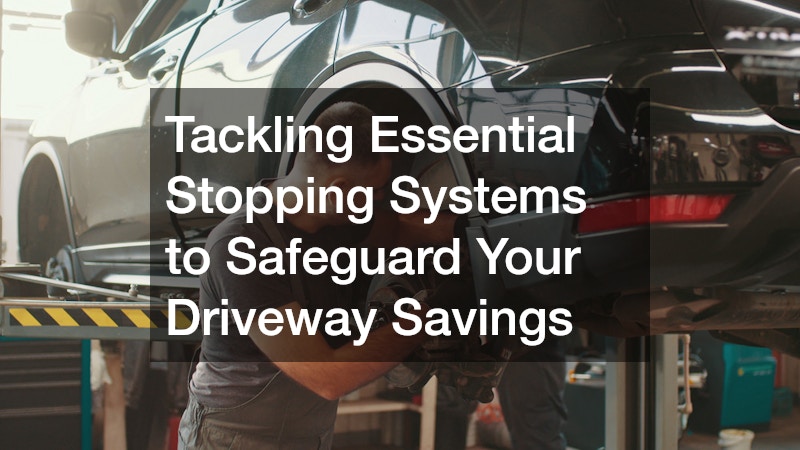
When managing personal transportation care, one of the most reliable ways to avoid exorbitant labor charges is learning basic stopping-system maintenance. Performing a straightforward brake repair on your own vehicle can keep hundreds of dollars in your pocket while giving you total peace of mind regarding your family’s safety on the road. Most disc brake systems are designed with straightforward, accessible components that require only standard hand tools and a little patience to replace. By taking the time to remove the wheels, compress the caliper piston, and install new friction pads, you eliminate the massive markup dealerships and independent repair shops place on both parts and labor. Beyond the immediate cash savings, completing this physical task demystifies automotive mechanics and teaches you how friction, hydraulic pressure, and wear indicators function, giving you greater confidence when tackling mechanical issues inside the house.
Spotting Early Warning Signs Through Systematic Component Evaluations
Beyond routine stopping-system maintenance, understanding how standard safety checks are conducted allows you to spot minor vehicle issues long before they turn into major repair bills. Taking the time to conduct a comprehensive vehicle inspection in your own driveway involves systematically evaluating tire tread depth, fluid levels, belt tension, lighting functionality, and wiper performance. Auto repair centers frequently charge substantial fees just to run through a basic visual checklist that any attentive owner can complete in under thirty minutes. By training your eyes to catch small fluid leaks, worn rubber belts, or uneven tire wear early, you prevent severe mechanical failures that could leave you stranded or facing thousands in engine repairs. This habit of methodical observation directly translates into better home care, where catching a small drip or a loose fitting early saves you from catastrophic water or structural damage.
Protecting Your Property Envelope Against Structural Pest Damage
Transitioning from personal transportation to the home’s exterior, protecting your property against untamed nature is another area where hands-on self-reliance pays off immediately. The physical envelope of your house is constantly exposed to local fauna seeking warmth, shelter, or food. Unwanted outdoor pests can quickly compromise your attic insulation, chew through expensive electrical wiring, or cause structural damage to wooden trim and framing. Hiring specialized exterminators or removal crews for minor intruding animals often results in recurring contract costs that stretch over several months or years. Learning the principles of humored exclusion, structural sealing, and perimeter defense protects both your living space and your wallet from constant professional service fees.

Sealing Exterior Gaps to Secure Your Attic and Crawlspaces
Taking full charge of domestic wildlife control requires a combination of keen observation and simple physical repairs around your home’s exterior. Wild animals like squirrels, raccoons, bats, and mice usually gain access through tiny gaps in fascia boards, unmeshed attic vents, or degraded chimney caps. By conducting a thorough walk-around of your roofline and foundation, you can identify these entry points yourself and seal them using heavy-gauge hardware cloth, metal flashing, and expanding foam. Implementing these proactive physical barriers stops infestation at the source without relying on expensive, ongoing chemical treatments or specialized removal contractors. Mastering these simple physical exclusion techniques keeps your living environment safe, quiet, and undamaged while preserving your home maintenance budget for long-term improvements.
Seasonal Temperature Management and Indoor Climate Efficiency
Inside the home, maintaining thermal comfort throughout changing seasons represents one of the largest ongoing energy and service expenditures for any homeowner. Heating and cooling systems rely on air circulation, electrical controls, and clean heat-exchange coils to operate efficiently. When a system begins blowing warm air in the summer or failing to heat in the winter, many homeowners panic and call a technician immediately. However, a significant portion of climate control issues stem from simple problems like clogged filters, dirty outdoor condenser coils, blocked drain lines, or misconfigured thermostats. Learning how air handlers work and performing seasonal preventative steps keeps your indoor climate pleasant and prevents premature equipment failure.
Simple Steps to Extend Equipment Life and Reduce Monthly Utility Bills
Investing a small amount of effort into routine HVAC Service pays immense dividends by keeping your monthly utility bills low and extending the functional lifespan of your heating and cooling equipment. Basic tasks like swapping out dense air filters every few months, rinsing dust and debris off outdoor compressor fins with a hose, and clearing algae buildup from condensate drain lines require no specialized licenses or expensive tools. When you perform these minor maintenance routines regularly, your system doesn’t have to strain or run continuously to maintain your desired indoor temperature. Preventing system strain reduces wear and tear on expensive compressors and blower motors, effectively shielding you from sudden, multi-thousand-dollar emergency replacement costs during peak summer or winter months.
Comprehensive Strategies to Preserve Market Value and Prevent Emergencies
While climate control keeps the interior environment comfortable, ensuring overall property security, accessibility, and comfort requires a holistic approach to managing domestic spaces. Protecting the structural integrity and daily functionality of your property involves balancing routine interior upkeep with necessary exterior improvements. When every aspect of a residence is well-maintained, from light fixtures to plumbing connections, the likelihood of costly emergency service calls drops dramatically. Taking a proactive approach to property management ensures that minor wear and tear is addressed before it escalates into a major disruption, keeping your living space safe, efficient, and pleasant for everyone under your roof.
Building Practical Competence for Routine Upkeep and Minor Fixes
Establishing a comprehensive strategy for local home care allows individuals and families to maintain high living standards without relying on expensive property management firms or continuous handyman hires. Taking personal responsibility for tasks like repairing drywall cracks, lubricating door hinges, cleaning out gutters, and weatherstripping windows preserves the market value of your property year after year. When you actively monitor and address physical defects as soon as they appear, you prevent minor cosmetic issues from expanding into major structural headaches. Developing a well-rounded skill set across various basic trades turns home maintenance from a source of financial anxiety into a satisfying, organized weekend routine that builds long-term equity.
Securing Exterior Boundaries and Safety Barriers for Outdoor Features
Securing the exterior boundaries of your property requires careful attention to physical access points, particularly around recreational features and safety barriers. Swimming pools, outdoor patios, and backyard play areas demand secure enclosures to prevent unauthorized entry, satisfy local safety codes, and keep children and pets safe from water hazards. Professional installation and repair companies charge premium rates to align latching mechanisms, adjust heavy spring hinges, and re-wire electronic entry systems around residential fencing. Understanding how basic mechanical latches, tension springs, and low-voltage security components function allows you to maintain these critical safety boundaries independently.
Simple Hardware Adjustments for Outdoor Perimeter Latches and Hinges
Maintaining effective pool gate access control is essential for satisfying strict residential safety requirements while avoiding expensive service visits from specialized fence installers. Over time, ground settling, moisture changes, and constant heavy usage can cause outdoor gates to sag, misalign, or fail to latch automatically. Rather than paying a technician hundreds of dollars to make minor adjustments, you can easily square up a sagging gate frame using tension rods, adjust hinge spring tension with simple hand tools, or replace worn magnetic latches yourself. Ensuring your outdoor perimeter latches smoothly and securely protects your household from liability, keeps loved ones safe, and eliminates the need for professional gate contractor interventions.
Maintaining Heavy Overhead Doors and Track Alignment Systems
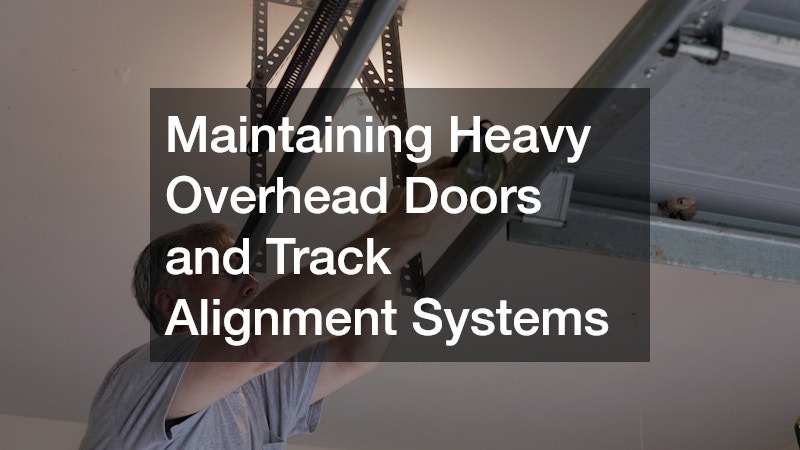
Moving to the main entrance of your home’s garage, mechanical self-reliance becomes crucial when dealing with heavy overhead moving parts. The large overhead door that protects your vehicles, workshop, or storage area is typically the largest moving object in your entire house. Because it operates under significant spring tension and moves multiple times a day, its tracks, rollers, cables, and sensors are subject to constant friction and vibration. When a garage door sticks halfway, operates noisily, or fails to respond to remote signals, many homeowners assume the entire unit needs costly professional replacement. In reality, most common overhead door problems stem from simple mechanical misalignment or lack of basic maintenance.
Extending Opener Motor Life with Routine Track Lubrication and Cleaning
Learning how to perform preventative garage door service can save you from being unexpectedly trapped in your driveway or paying hefty emergency call-out rates to door technicians. Simple actions like tightening loose track bolts, cleaning debris out of metal side tracks, replacing worn nylon rollers, and applying specialized silicone lubricant to springs and hinges keep the system operating smoothly and silently. Furthermore, realigning safety eye sensors and adjusting limit switches on the opener mechanism can instantly fix a door that refuses to close properly. By taking charge of these basic mechanical adjustments, you preserve the life of your expensive opener motor and avoid sudden, stressful mechanical lockouts.
Weatherproofing Your Roof Envelope to Stop Costly Leaks Early
High above the garage and living spaces sits the single most vital shield protecting your home from water damage: the roof. Roof replacement is universally recognized as one of the most expensive capital expenditures a homeowner will ever face, frequently costing tens of thousands of dollars. However, many full roof replacements are ordered prematurely simply because minor leaks or damaged shingles were ignored for too long. Moisture that penetrates the outer roofing layer quickly rots wooden decking, destroys attic insulation, and causes ceiling mold inside the home. Learning to safely inspect and repair minor surface defects on your roof prevents localized water intrusion from becoming a full-scale structural disaster.
Replacing Damaged Shingles and Sealing Vent Pipes Independently
Understanding the fundamentals of residential roofing allows you to spot missing shingles, cracked pipe boots, and failing metal flashing before water ever makes its way into your ceiling joists. After severe windstorms or hail, conducting a visual check from a ladder or using binoculars lets you identify compromised areas immediately. Replacing a few wind-torn asphalt shingles or applying quality roof cement around leaking vent pipes is a low-cost, straightforward repair that any capable homeowner can learn. By maintaining the integrity of your outer protective layer yourself, you dramatically extend the total lifespan of your roof structure and avoid paying thousands for premature full-scale tear-offs and replacements.
Balancing Family Budget Priorities with Daily Household Logistics
Beyond structural maintenance and mechanical repairs, a well-managed household also requires strategic planning for family needs and daily life logistics. Balancing domestic upkeep with personal, professional, and family obligations requires efficient time management and smart resource allocation. Just as maintaining physical infrastructure saves money, organizing daily household operations prevents burnout and unnecessary operational costs. Creating a structured environment where every family member’s needs are met efficiently frees up time and financial resources, allowing you to invest more energy into home projects, personal development, and long-term financial security.
Navigating Early Childhood Education Costs and Family Care Solutions
For families with young children, finding reliable, high-quality care is often one of the largest monthly budget items, rivaling housing costs and property taxes. Selecting a nurturing environment for early childhood development involves evaluating staff qualifications, safety standards, curriculum quality, and overall operational transparency. Choosing the right daycare provider requires careful research, budget balancing, and clear communication to ensure your child receives excellent care while fitting within your family’s overall financial plan. Managing these early education expenses wisely ensures that your household remains financially stable while providing a supportive, enriching foundation for your children’s growing years.
Understanding Home Electrical Safety and Circuit Diagnostics
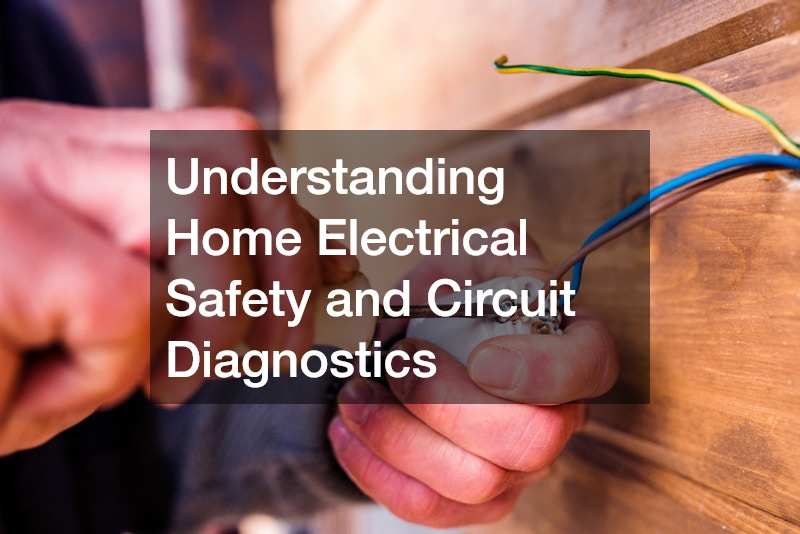
Finally, mastering basic home trade skills culminates in understanding the powerful energy system that drives all modern household conveniences: the electrical system. Electricity powers our lighting, refrigeration, entertainment, climate controls, and kitchen appliances, making it the heartbeat of modern domestic life. Because high-voltage power carries inherent risks, many people are terrified to touch anything related to their home’s electrical wiring. While major panel upgrades and full-house rewiring should always be left to licensed professionals, basic electrical maintenance—such as replacing switches, updating light fixtures, and installing smart thermostats—is completely safe when proper safety protocols are strictly followed.
Modernizing Lighting and Swapping Outdated Wall Fixtures Safely
Taking time to learn basic electrical safety and component installation allows you to handle routine electrical services without paying steep trip fees and hourly electrician rates. Understanding how to locate your main service panel, shut off specific circuit breakers, and verify that power is completely off using a non-contact voltage tester empowers you to work safely and confidently. Replacing outdated toggle switches with modern dimmers, swapping out old light fixtures for energy-efficient LED models, or replacing worn wall outlets requires only basic hand tools and a clear understanding of matching wire colors. By taking control of these minor electrical updates, you can modernize your home’s appearance, boost energy efficiency, and save thousands of dollars in contractor fees over your lifetime as a homeowner.
Ultimately, the choice to embrace hands-on trade skills around your property transforms your relationship with homeownership. Instead of viewing your house as a fragile, expensive liability that constantly threatens your savings account, you begin to see it as an adaptable, manageable asset under your direct control. Every small repair you complete—whether it’s servicing a vehicle, sealing an exterior gap, adjusting a heavy gate, or updating a light fixture—builds practical wisdom and practical competence. Over time, these individual maintenance victories compound, saving you thousands of dollars each year while fostering a deep sense of pride, self-reliance, and security in your daily life.