
Finding a career path that balances high earning potential, job security, and personal fulfillment can feel challenging. Many job seekers automatically gravitate toward traditional, highly visible professions like software engineering, general law, or corporate management. However, focusing solely on mainstream career choices often leads to saturated job markets, intense competition, and burnout.
Beyond the well-trodden paths lie specialized, niche industries that offer remarkable financial rewards and long-term stability. These professions thrive on specific skill sets, unique certifications, or specialized hands-on expertise that cannot easily be automated or outsourced. Exploring lesser-known career tracks allows individuals to build highly lucrative livelihoods while working in unique, engaging fields that stand resilient against broader economic shifts.
Specialized Medical Restoration
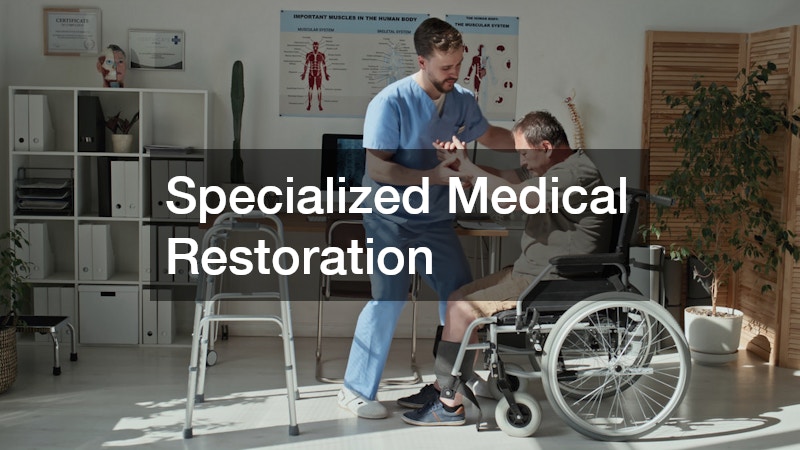
Healthcare offers some of the most stable career options, but looking beyond general practice reveals fields that combine complex medical knowledge with lifestyle flexibility and high patient satisfaction.
Focus on Targeted Rehabilitation Knowledge
Medical professionals who specialize in non-surgical recovery focus on helping patients regain mobility, manage chronic pain, and improve overall functional health. This clinical path demands an extensive medical education, culminating in a medical degree followed by dedicated residency training. Specialists in this space evaluate complex musculoskeletal conditions, prescribe tailored physical recovery programs, and utilize non-invasive procedures like nerve conduction studies or ultrasound-guided injections.
-
Complete an undergraduate degree in pre-medicine or related biological sciences.
-
Graduate from an accredited medical school earning either a medical doctor or a doctor of osteopathic medicine degree.
-
Complete a four-year residency program dedicated to physical medicine and non-surgical restoration.
-
Obtain state licensure and earn voluntary board certifications to maximize hiring potential and private practice opportunities.
Beyond doctors, the broader restoration healthcare field relies heavily on skilled clinicians who guide day-to-day functional movement plans. Emerging professionals can search online portals for open physiatry jobs to understand current employer expectations, regional compensation packages, and clinical settings across hospital systems and outpatient clinics.
Expand Patient Support Systems
Achieving long-term recovery requires a holistic, multidisciplinary team approach that bridges acute hospital care and independent living. Clinicians who direct movement restoration work closely with physical therapists, occupational specialists, and pain management experts to coordinate comprehensive patient care.
-
Develop strong diagnostic abilities to evaluate nerve, muscle, and bone disorders accurately.
-
Build expertise in custom care plans that integrate non-opioid pain management strategies.
-
Pursue clinical opportunities within specialized spinal cord injury units or sports medicine clinics.
-
Establish private practice networks to generate direct referrals from orthopedic surgeons and primary care doctors.
Integrating diverse modalities accelerates recovery times for patients who have suffered traumatic injuries, strokes, or major surgeries. Professionals seeking rewarding clinical environments often thrive in specialized rehab therapy facilities, where individualized attention leads directly to measurable improvements in patient quality of life.
Premium Automotive Precision
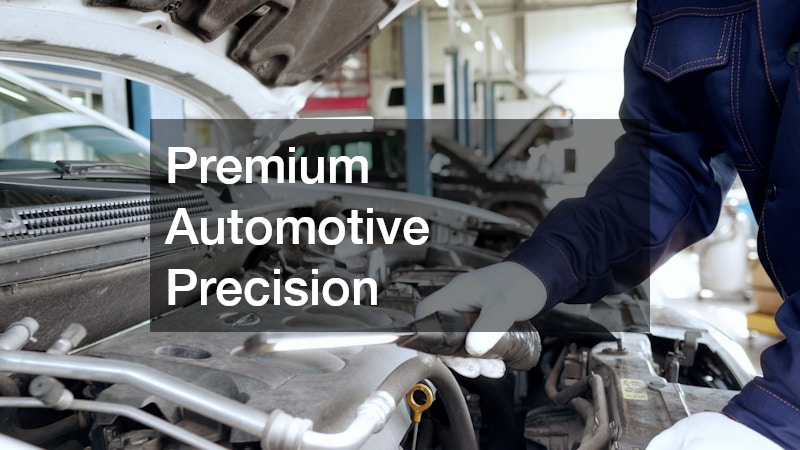
The automotive industry extends far beyond standard maintenance garages. High-end luxury vehicles and iconic motorcycle brands require specialized technical mastery, offering high earning potential for dedicated technicians who master complex engineering systems.
Master German Engineering Mechanics
High-performance European cars rely on intricate electronic architectures, turbocharged powertrains, and proprietary diagnostic software. Technicians working on these advanced automobiles must undergo intensive brand-specific training programs to diagnose complex mechanical and electrical issues accurately.
-
Complete an associate degree in automotive technology from an accredited vocational school.
-
Enroll in specialized brand training initiatives, such as manufacturer-sponsored technician programs.
-
Master advanced diagnostic tools designed specifically for high-end European drivetrains and onboard computer systems.
-
Obtain National Institute for Automotive Service Excellence certifications to demonstrate broad technical proficiency.
-
Pursue Master Technician certification status to unlock high-tier dealership and independent shop compensation.
Specialized mechanics often find that luxury vehicle owners prioritize quality workmanship over budget pricing. Experienced technicians frequently secure lucrative roles at high-end dealerships or open independent shops offering specialized European car repair services to local luxury car owners.
Capitalize on Brand Specialization
Working with iconic motorcycle brands presents another lucrative avenue within automotive technical careers. Custom American V-twin engines and specialized motorcycle chassis design demand a unique mechanical skill set distinct from standard auto repair.
-
Complete a targeted motorcycle technology program covering engine overhaul, electrical systems, and performance tuning.
-
Gain hands-on experience through manufacturer-backed technical training courses.
-
Obtain specific brand credentials to gain trust within enthusiast communities.
-
Develop custom fabrication skills, such as specialized exhaust building or performance dyno tuning.
Mechanics who excel in performance customization and custom engine rebuilds enjoy strong demand. Skilled technicians can thrive in dealership environments or launch independent repair facilities as a certified BMW mechanic or a dedicated motorcycle specialist. Enthusiast motorcycle owners consistently seek out experts, allowing a skilled Harley-Davidson mechanic to command excellent rates for custom work, seasonal maintenance, and performance upgrades.
Advanced Industrial Craftsmanship

Trade careers offer exceptional income potential without the burden of massive student loan debt. Industrial craftsmanship relies on precise physical techniques, advanced machinery, and rigorous safety standards.
Pursue Hands-On Structural Expertise
Working with heavy structural materials like stone, brick, and concrete remains a fundamental component of modern infrastructure and luxury real estate construction. Craftspeople in this sector build durable foundations, retaining walls, and custom architectural features.
-
Join a local trade union or private contractor to gain foundational entry-level experience.
-
Learn to read complex architectural blueprints and structural engineering specifications.
-
Practice precise measuring, material mixing, and structural reinforcement techniques.
-
Master modern power tools, concrete pumps, and laser leveling devices.
-
Obtain safety certifications, such as Occupational Safety and Health Administration compliance credentials, to qualify for large commercial jobs.
Skilled structural craftspeople frequently advance into project management or general contracting roles. Industry newcomers who master structural concrete masonry can transition into high-paying commercial construction roles or start successful subcontracting businesses catering to high-end residential clients.
Master Precision Joining Techniques
High-tech manufacturing, pipeline infrastructure, and aerospace sectors require expert joining skills that ensure structural integrity under extreme conditions. Specialized processes like tungsten inert gas welding require immense focus, fine motor control, and technical knowledge of metallurgy.
-
Enroll in formal vocational training programs focused on structural and pipe joining techniques.
-
Practice extensively to earn industry certifications covering various positions and metal alloys.
-
Learn advanced inspection methods, including non-destructive testing and visual quality control.
-
Build familiarity with automated cutting and robotic welding systems used in modern industrial sites.
Entering the trade through structured welding apprenticeships provides aspiring craftspeople with paid, on-the-job training alongside master artisans. This entry path ensures steady earnings while building the specialized skill sets required for high-paying roles on industrial job sites, offshore rigs, or specialized fabrication shops.
Specialized Architectural Restoration
Architectural maintenance and heavy transport operations represent two vital, yet under-the-radar, industries where specialized expertise commands impressive hourly rates and steady employment.
Restore Metallic Architectural Features
Urban high-rises, historic structures, and commercial real estate utilize extensive decorative metals, including bronze, brass, stainless steel, and aluminum. Over time, environmental exposure causes these surfaces to tarnish, corrode, or degrade, requiring expert intervention to restore their original luster.
-
Learn chemical cleaning processes, mechanical buffing techniques, and protective coating applications.
-
Master color-matching techniques for specialized metal patinas and anodized finishes.
-
Gain experience working safely at height using scaffolding, industrial lifts, and rigging equipment.
-
Study historical building preservation standards to secure contracts on protected architectural landmarks.
Specialists in architectural metal refinishing often work with property management firms, historical preservation societies, and corporate headquarters. Because very few trade workers specialize in delicate metal restoration, master craftspeople enjoy limited competition and high profit margins on commercial contracts.
Operate Heavy Transport Vehicles
Modern construction and infrastructure projects depend heavily on the continuous movement of bulk materials like sand, gravel, demo debris, and hot-mix asphalt. Driving heavy, multi-axle transport vehicles requires specialized commercial driving licenses and exceptional maneuvering skills in high-traffic or tight urban construction zones.
-
Obtain a commercial driver’s license with proper endorsements for heavy equipment operation.
-
Pass rigorous physical exams and maintain clean driving records to meet safety compliance standards.
-
Master vehicle inspection procedures, hydraulic systems operation, and load distribution regulations.
-
Gain specialized certification for operating complex secondary equipment, such as transfer trailers or specialized dump bodies.
The continuous demand for site preparation and infrastructure development ensures stable work opportunities. Qualified drivers exploring local dump truck driver jobs can secure competitive hourly pay, overtime opportunities, and steady employment with civil engineering firms and municipal departments.
Canine Behavioral Training
The pet care sector has transformed dramatically over recent years, with dog owners spending record amounts on professional care, behavioral coaching, and early socialization.
Guide Early Canine Development
Traditional pet training often focuses on correcting bad habits in adult dogs. However, specialized early development focuses on teaching puppies foundational social skills, leash etiquette, and crate comfort during critical developmental windows.
-
Study animal behavior, learning theory, and positive reinforcement training methodologies.
-
Earn recognized industry credentials from established professional dog trainer organizations.
-
Design structured day-long curriculum schedules that combine structured learning with necessary rest periods.
-
Educate dog owners on maintaining consistent commands and boundaries at home.
-
Create targeted socialization exposure protocols to ensure young dogs build confidence around novel stimuli.
Pet owners increasingly view their animals as family members and are eager to invest in early behavioral intervention. Offering structured puppy day training services allows trainers to build reliable, recurring revenue streams while working with client pets during standard business hours.
Build a Specialized Service Business
Scaling a pet care enterprise requires combining animal handling skills with sharp business acumen. Success in this field relies on client communication, safety protocols, and clear marketing strategies.
-
Establish safe, hygienic facilities designed specifically for small-group puppy interactions.
-
Implement clear health screening protocols, including mandatory vaccination checks for all enrolled pets.
-
Offer complementary services, such as owner coaching workshops or specialized behavioral consultations.
-
Utilize digital scheduling systems and social media video updates to maintain high engagement with pet parents.
Specializing in early canine development differentiates a business from generic doggy daycares or basic obedience classes. High-demand trainers can charge premium rates, build long waiting lists, and establish strategic referral partnerships with local veterinary clinics.
Strategic Career Positioning
Navigating non-traditional career landscapes requires deliberate planning and continuous professional development. Entering specialized markets yields substantial advantages, but sustaining long-term high earning potential requires intentional career cultivation.
Evaluate Personal Alignment and Market Demand
Before committing to a niche career path, individuals should carefully analyze both their intrinsic interests and regional market dynamics. Evaluating local industrial density, economic demographics, and competitive presence ensures long-term viability.
-
Conduct informational interviews with active professionals within your chosen field.
-
Research regional wage data and municipal licensing requirements to understand barrier-to-entry levels.
-
Assess the physical or mental demands of the profession to ensure personal long-term sustainability.
-
Shadow working professionals on job sites to gain authentic exposure to day-to-day operations.
Matching personal aptitudes with underserved market demands creates a strong foundation for career longevity. Professionals who choose paths aligned with their natural talents progress faster through initial training phases and build industry reputations more rapidly.
Invest in Continuous Professional Development
Niche markets reward true mastery. Once established in a specialized field, professionals must actively pursue continuing education to keep pace with evolving technologies, regulations, and industry standards.
-
Attend trade conferences and specialized workshops to stay updated on emerging technologies.
-
Pursue advanced certifications that demonstrate higher levels of technical or clinical mastery.
-
Build strong professional networks through industry associations and specialized guilds.
-
Cross-train in complementary skills, such as business management or digital diagnostics, to expand service offerings.
Continual learning protects career investments against industry shifts. Whether mastering new diagnostic equipment or adopting upgraded safety protocols, committed specialists stay ahead of competitors and maintain high earning power throughout their careers.
Building a successful, lucrative career does not require following the traditional corporate or tech industry playbook. Unique fields across specialized medicine, premium automotive trades, industrial craftsmanship, architectural restoration, and specialized animal care offer exceptional financial rewards and high job satisfaction. Ultimately, taking ownership of your professional trajectory means looking past standard job boards to find where your true passion intersects with market demand. As industries evolve, the most adaptable individuals who invest in deep expertise will always remain in high demand.
By identifying personal strengths and investing in targeted education or hands-on training, job seekers can carve out highly defensible niches. Embracing a non-traditional career path allows motivated professionals to build thriving, future-proof livelihoods driven by specialized skill, steady demand, and low market competition.