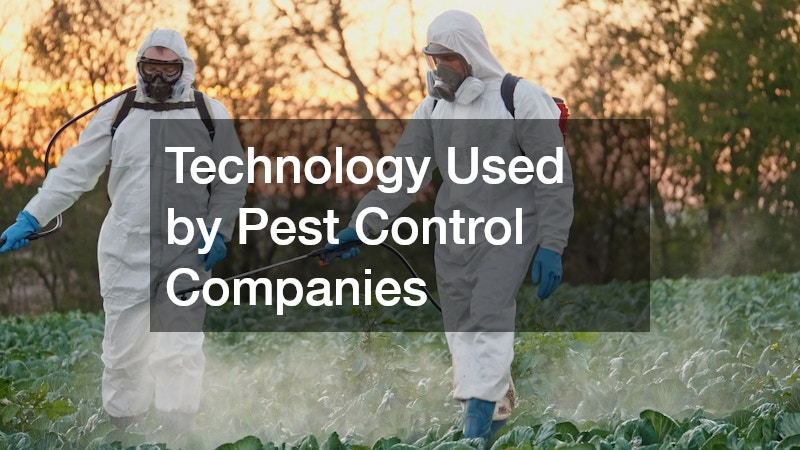
The pest control industry has undergone a significant transformation thanks to modern technology. Innovations in equipment, monitoring, and analytics have enabled companies to manage pests more efficiently, safely, and sustainably. From automated systems to advanced biotechnology, these tools empower pest control professionals to deliver precise solutions while minimizing environmental impact. As pests continue to adapt and urban environments expand, technological advancements are proving essential to effective management strategies.
What Types of Technology Do Pest Control Companies Use?
Integrated Pest Management (IPM) Approaches
Integrated Pest Management (IPM) combines multiple methods to control pests with minimal harm to humans and the environment. Using a combination of monitoring, biological controls, and chemical treatments only when necessary, IPM relies heavily on technology for data collection and analysis.
Use of Drones and UAVs
Drones and unmanned aerial vehicles (UAVs) have become valuable tools for surveying large areas quickly. They provide aerial imagery to map infestations, identify breeding grounds, and assess treatment effectiveness. Additionally, drones can deliver precise applications of pest control substances in difficult-to-reach areas, reducing labor costs and exposure to chemicals.
Tracking and Monitoring Systems
Modern pest control companies use digital tracking and monitoring systems to record pest activity in real time. Sensors, motion detectors, and smart traps send continuous data to centralized platforms, enabling technicians to identify hotspots and adjust strategies immediately. These systems reduce guesswork and allow for proactive rather than reactive pest management.
Automated Spraying Systems
Automated spraying systems provide precise application of pesticides or repellents. Using GPS-guided or sensor-activated devices, these technologies target affected areas with minimal waste. The automation also ensures consistency and reduces human exposure to potentially harmful substances.
Biotech Innovations
Biotechnology offers new, environmentally friendly solutions for pest control. Pheromone traps disrupt pest mating cycles, while bacteria-based treatments target specific species without harming other organisms. These innovations allow for highly selective pest management, reducing reliance on broad-spectrum chemical solutions.
How Has Technology Improved Pest Control Safety?
Reducing Chemical Dependency
Technology has significantly reduced the need for excessive chemical use. By targeting pests more accurately and predicting infestations early, companies can minimize environmental contamination and protect human health.
Enhanced Personal Protective Equipment (PPE)
Advances in PPE include lightweight, durable materials and integrated sensors that monitor exposure levels. These improvements keep technicians safe during potentially hazardous operations, supporting longer and more effective work periods.
Smart Application Techniques
Precision technologies, such as sensor-guided sprayers and automated dosing systems, reduce the risk of contaminating non-target areas. This smart approach safeguards both the environment and residential or commercial spaces.
Risk Assessment Tools
Software and analytical models help evaluate potential pest risks before intervention. By assessing infestation likelihood and severity, companies can prioritize treatments and allocate resources efficiently, minimizing unnecessary exposure to hazards.
What Are the Costs Associated with Technology-Driven Pest Control?
Initial Investment in Technology
Adopting advanced pest control solutions requires substantial upfront investment. Drones, automated systems, and monitoring networks involve high acquisition costs, which may be prohibitive for smaller companies.
Operational Costs
Ongoing maintenance, software subscriptions, and training programs add to operational expenses. However, these costs often result in higher efficiency and reduced waste over time.
Cost-Benefit Analysis
While initial costs can be significant, the long-term benefits often outweigh the investment. Companies experience higher client satisfaction and lower liability risks.
Scaling Costs for Different Sizes of Operations
Smaller pest control firms may adopt selective technologies, while large operations can fully integrate drones, AI, and IoT systems. Economies of scale make advanced technologies more cost-effective for larger providers.
How Do Technologies Like AI and IoT Apply to Pest Control?
AI for Predictive Pest Analytics
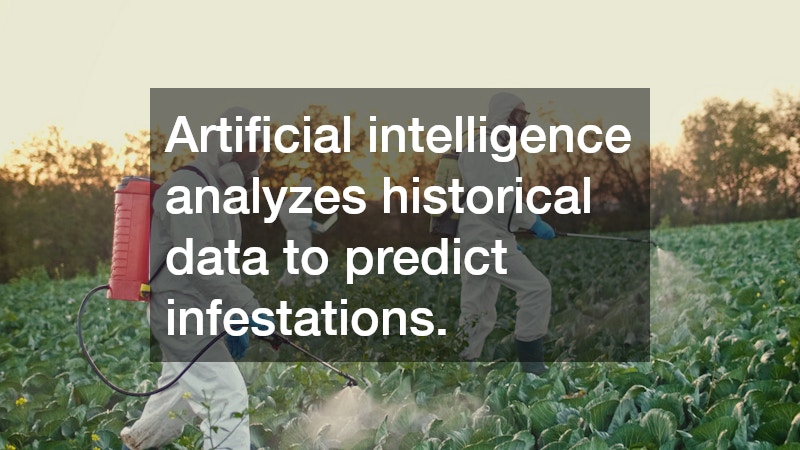
Artificial intelligence analyzes historical data to predict infestations. This proactive approach allows companies to act before pests become a major problem.
IoT Devices for Real-Time Monitoring
IoT devices continuously track pest activity, environmental conditions, and treatment effectiveness. Real-time data ensures rapid response and more informed decisions.
Data-Driven Decision Making
Combined AI and IoT systems provide actionable insights, guiding strategic interventions and optimizing resource allocation. Decisions are no longer based solely on observation but on concrete, dynamic datasets.
Automation of Pest Control Operations
Routine tasks, such as inspections and targeted spraying, can be automated. This reduces labor costs, increases consistency, and frees technicians for more complex interventions.
Technology is reshaping pest control, making it safer, more effective, and environmentally responsible. From AI-driven predictive tools to biotech innovations and robotics, modern pest management is increasingly precise and data-driven. Companies that embrace these advancements can improve outcomes, reduce chemical reliance, and elevate service quality. The future of pest control relies on continued innovation, collaboration, and the strategic use of technology to protect homes, businesses, and public health.