Propane is a versatile and widely used source of energy. Known chemically as C3H8, this gaseous hydrocarbon is part of the alkane family. A key feature of propane is its ability to be compressed into a liquid at relatively low pressures, making it ideal for transport and storage.
Commonly found in cylinders or tanks, propane’s ease of storage and transport has led to its global utilization. The substance burns cleanly and efficiently, producing minimal greenhouse gases compared to other fossil fuels.
The discovery of propane dates back to the early 20th century. It was identified as a marketable product by Dr. Walter O. Snelling of the United States Bureau of Mines. His discovery laid the groundwork for the development of a robust propane industry. The introduction of propane as a commercial product revolutionized energy usage, facilitating numerous applications across various sectors. Today, propane’s adaptability, energy efficiency, and environmental benefits have made it a popular choice for both residential and commercial use.
One of the compelling attributes of propane is its role in energy diversification. As the world grapples with the need to minimize its carbon footprint, propane presents itself as an immediate alternative. Its ability to complement renewable energy sources, like solar and wind, improves overall energy stability. Propane’s reliability in power generation and heating during harsh weather conditions underscores its significance. The pursuit of a sustainable energy future is invariably tied to innovations in propane use.
Residential Uses of Propane
Propane is a staple in residential energy solutions, widely used for heating and cooking. Homeowners favor propane for its efficiency and cost-effectiveness, particularly in rural locations. Propane-powered appliances, such as ovens and heaters, provide consistent performance and significant energy savings. The liquefied form of propane makes it easy to store in home tanks, ensuring a steady supply. Many homeowners regard propane as a reliable and safe energy source for their daily needs.
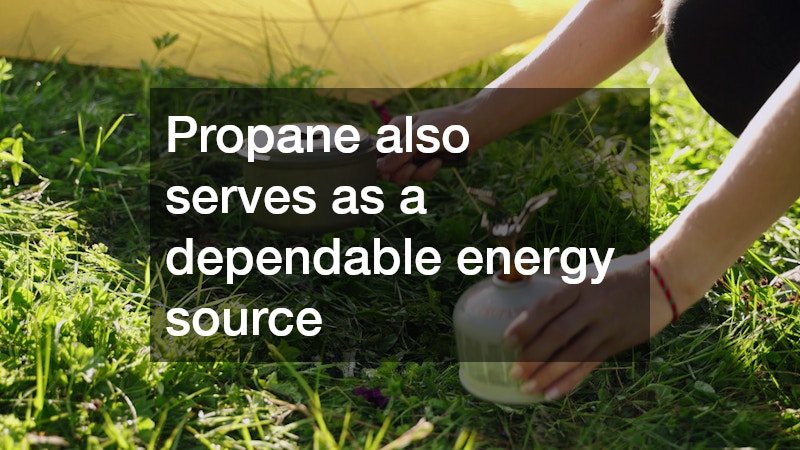
Besides heating and cooking, propane finds utility in outdoor activities. Propane grills are popular for barbecuing, offering even heat distribution and less smoky flair compared to charcoal. Outdoor propane heaters extend the usability of patios and decks into colder seasons. These applications underscore propane’s convenience and adaptability in domestic settings. Furthermore, propane’s portability makes it an excellent choice for camping and recreational excursions.
The versatility of propane in residential applications extends to back-up power generation. Propane generators are trusted during power outages, delivering an uninterrupted electricity supply. This is crucial for maintaining essential home systems and sustaining comfort during emergencies. Additionally, propane water heaters are gaining popularity for their swift heating capabilities and cost efficiency. Whether for daily amenities or emergency preparedness, propane proves to be an invaluable residential asset.
Commercial and Industrial Applications
In the commercial and industrial sectors, propane fulfills critical roles that support large-scale operations. It powers industrial furnaces and boilers, streamlining processes with its steady energy output. Warehouse operations often rely on propane-powered forklifts, recognized for their robust performance and lower emissions. Additionally, it is instrumental in the agricultural industry for crop drying and livestock heating. This broad range of applications highlights propane’s indispensability in sustaining industrial productivity.
Propane also serves as a dependable energy source for industries that require high-temperature capabilities. In manufacturing, it assists with metal cutting, soldering, and welding. The transportability and clean-burning nature of propane ensure minimal environmental and equipment impact. Businesses value propane for its ability to create reliable, high-temperature heat while maintaining operational efficiency. The flexibility of propane adapts to various equipment and operational settings effectively.
The usage of propane extends to telecommunications and remote utilities. Telecommunications towers often use propane to power generators that ensure uninterrupted data relay. It’s also advantageous in remote areas lacking electric grid connectivity, sustaining essential services. Propane’s presence in fleet vehicle operations is rising, with numerous transit agencies adopting propane-fueled vehicles for their lower environmental impact. These initiatives collectively underscore propane’s pivotal role in advancing commercial innovations.
Environmental Considerations
Amid growing environmental concerns, propane is recognized for its reduced carbon emissions. It is classified as a clean fuel under the Clean Air Act because it releases fewer pollutants than gasoline or diesel. Propane’s combustion only produces water vapor and carbon dioxide, with negligible amounts of carbon monoxide and particulate matter. This makes it a safer and cleaner option for both indoor and outdoor applications. Its environmental compliance aligns with current global efforts to mitigate climate change.
Efforts to promote sustainable energy use have further underscored propane’s importance. Propane’s compatibility with renewable energy systems supports hybrid energy solutions. By working as a backup power source for solar installations, propane ensures energy availability even on cloudy days. The integration of propane in smart grid technologies exemplifies its role in modern energy ecosystems. Thus, propane not only contributes to energy resilience but also to long-term sustainability endeavors.
Adoption of propane-based solutions is a progressive step towards energy efficiency and environmental integrity. Innovative developments, such as propane-powered electric and hybrid vehicles, illustrate new potential applications. The transition towards propane-supported energy systems is accelerated by favorable regulatory policies. By championing propane’s ecological benefits, stakeholders create a synergy between economic growth and environmental responsibility. These efforts solidify propane’s standing as an integral component in the global energy landscape.