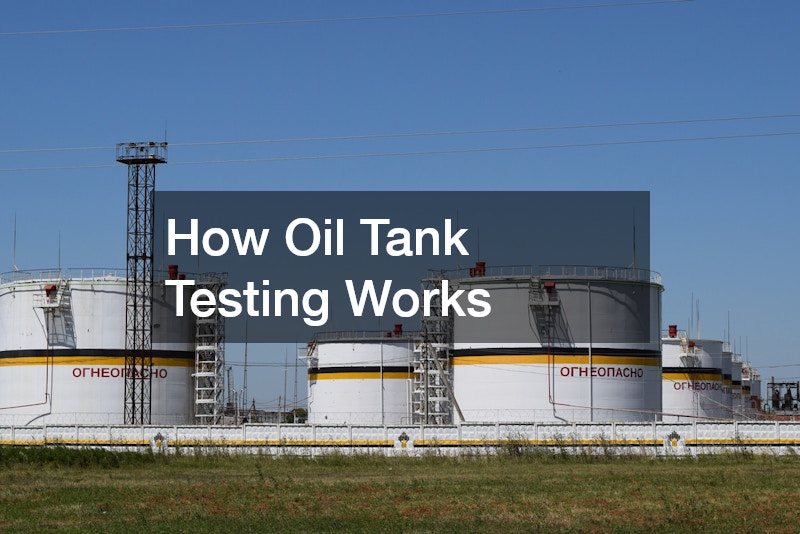
Oil tank testing is vital for maintaining safe industrial operations by preventing leaks and ensuring tank integrity. Regular testing addresses potential issues early, safeguarding safety and the environment while ensuring regulatory compliance.
Oil Tank Testing Methods
Pressure Testing
Pressure testing verifies tank strength by applying pressure beyond normal levels with water or another liquid. It detects weaknesses to prevent leaks, requiring careful preparation.
Integrating pressure testing into regular maintenance schedules supports long-term system resilience.
Ultrasonic Testing
Ultrasonic testing uses sound waves to assess tank thickness and identify invisible corrosion or defects. It provides precise measurements without requiring tank downtime. This method’s efficiency aids in minimizing operational interruptions during scheduled checks.
Magnetic Flux Leakage
Magnetic Flux Leakage detects corrosion by magnetizing the steel tank and identifying magnetic field disturbances due to defects. It inspects both surface and subsurface irregularities efficiently. Employing this technique heightens defect detection accuracy, maintaining structural integrity.
Acoustic Emission Testing
Acoustic Emission Testing monitors sound waves from tank imperfections. It provides real-time data and helps predict failures before they occur. By capturing dynamic changes, this method enhances predictive maintenance capabilities.
Vacuum Box Testing
Vacuum Box testing detects leaks in tank bottoms or welds using a vacuum and soap solution. It efficiently verifies new welds or repairs. This simple yet effective method is essential for validating recent modifications.
Preparation for Oil Tank Testing
Initial Inspections
A comprehensive initial inspection identifies concerns, prioritizes repairs, and lays a foundation for accurate testing. This proactive step ensures resourceful allocation of maintenance efforts.
Documentation and Record Keeping
Maintaining design specifications and inspection records aids in compliance and informs maintenance schedules. Comprehensive documentation supports seamless audits and regulation adherence.
Cleaning and Precautions
Thorough cleaning prevents misleading test results. Safety precautions ensure a secure testing environment. Regular upkeep of cleanliness strengthens test accuracy and operational safety.
Coordinating with Professionals
Professional services provide expertise in identifying wear signs and ensure thorough inspections. Their insights are invaluable for optimizing maintenance strategies and ensuring compliance.
Safety Measures
Safety protocols protect personnel and equipment. Emergency strategies address unforeseen incidents promptly. Embedding safety into testing protocols minimizes risks associated with unplanned disruptions.
Regulations and Standards for Oil Tank Testing
Industry Standards
Organizations like API and ASTM set guidelines for testing frequency and methods, ensuring safe operations. Aligning with these standards fosters industry-wide trust and operational reliability.
Environmental Considerations
Environmental regulations minimize ecological impact by enforcing non-invasive testing methods. Such eco-conscious practices contribute to sustainable industry practices and community welfare.
Compliance Requirements
Compliance with legal standards involves keeping testing records and using approved methodologies. Meticulous adherence guarantees legal safety, shielding from potential penalties.
Recent Regulatory Changes
Updates in regulations emphasize new methods and environmental safeguards, prompting companies to adapt. Staying informed of regulatory changes facilitates agile compliance and operational adjustments.
Penalties for Non-Compliance
Violations result in fines and operational halts, making adherence crucial for operational success. Understanding these ramifications reinforces the necessity of stringent compliance adherence.
Indicators for Oil Tank Testing
Visible Deterioration
Signs like rust or dents suggest structural issues, necessitating testing and early remedial actions. Acting on these visual cues promptly curtails potential damage progression.
Leak Detection
Leaks indicate urgent testing needs, affecting environmental safety and operational efficiency. Timely identification and rectification of leaks are pivotal for protecting integrity and safety.
Operational Anomalies
Irregularities in pressure or temperature can indicate technical issues warranting investigation through testing. Addressing these anomalies swiftly prevents escalation into major operational disruptions.
Scheduled Maintenance
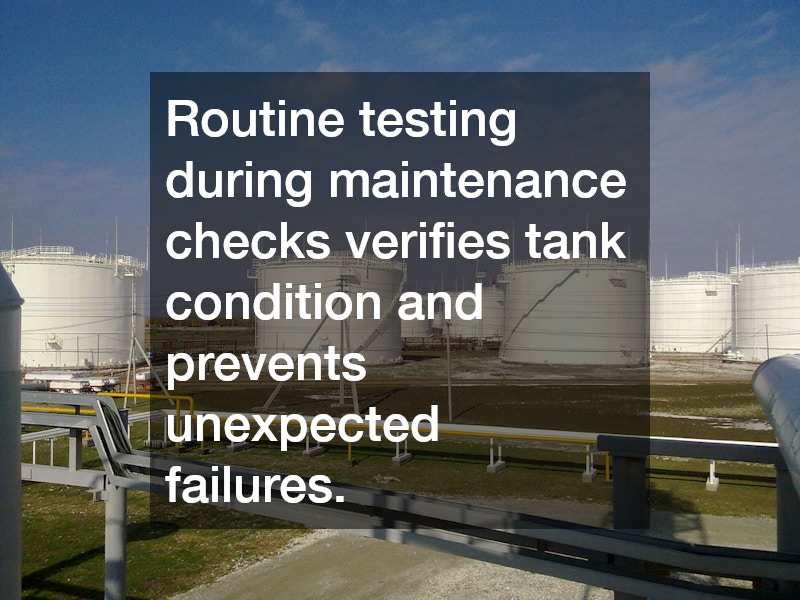
Routine testing during maintenance checks verifies tank condition and prevents unexpected failures. Integrating these evaluations into regular schedules sustains ongoing operational health.
Regulatory Advice
Adhering to recommended testing intervals ensures safety and compliance.
Costs Associated with Oil Tank Testing
Testing Equipment and Resources
Costs vary based on methods and equipment, essential for accurate diagnostics and long-term savings. Strategic investment in quality resources often yields substantial returns on reliability.
Labor and Professional Fees
Professional testing services prevent larger costs by providing precise results and compliance assurance. These fees represent value-added due to preventive insights reducing long-term expenses.
Additional Services
Services like repair or cleaning are essential for thorough assessment and budgeting usually includes these costs. Comprehensive planning combines necessary services under a unified budget to streamline costs.
Cost-Saving Tips
Strategies like aligning testing with maintenance and investing in quality equipment optimize costs. Smart planning ensures economical and effective resource utilization, enhancing longevity.
Long-term Financial Benefits
Regular testing prevents disruptions and legal liabilities, ensuring operational security and cost efficiency. Effective testing contributes significantly to a stable financial and operational future for industries.
Oil tank testing is crucial for safety and efficiency by proactively detecting problems and ensuring compliance. Keeping informed of evolving regulations and utilizing rigorous standards preserves resources and fortifies industry trust. Continuously refining testing practices empowers industries to uphold excellence and protect environmental and public interests.